
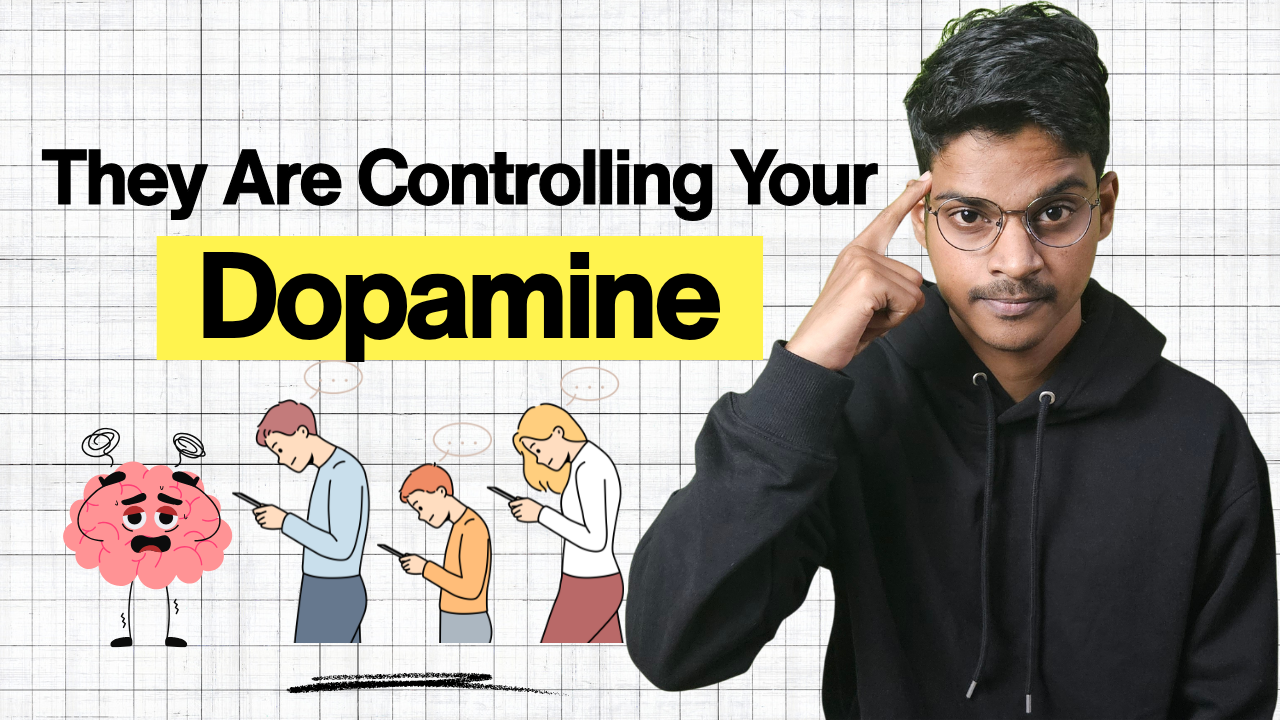
Have you ever wondered why you feel tired, distracted, or unmotivated even when nothing is wrong?
You are not lazy, you are not weak, you are simply trapped in a dopamine loop, a mental cycle that social media companies know very well.
A year ago, my mornings started the same way every day. I woke up, opened Instagram, and told myself, “Just five minutes.” But five minutes turned into thirty. One reel led to another, and soon, half an hour was gone.
It felt amazing while I was scrolling, but once I closed the app, I felt empty and guilty. That was when I realized something deeper was going on inside my brain, something called dopamine imbalance.
Table of Contents
What is Dopamine?
Our brain cells constantly talk to each other, but not with words. They communicate using chemicals called neurotransmitters, and one of the most powerful among them is dopamine.
Dopamine is a chemical messenger that controls how we feel pleasure, motivation, and focus.
Whenever you do something enjoyable, eat your favourite food, win a game, or get likes on a photo, your brain releases dopamine. It gives you that “feel good” sensation and motivates you to repeat the activity.
So dopamine is not bad. It is the reason you chase dreams, fall in love, or feel proud after achieving something.
But when dopamine comes from the wrong sources, like endless scrolling or instant rewards, it starts to destroy your focus and happiness.
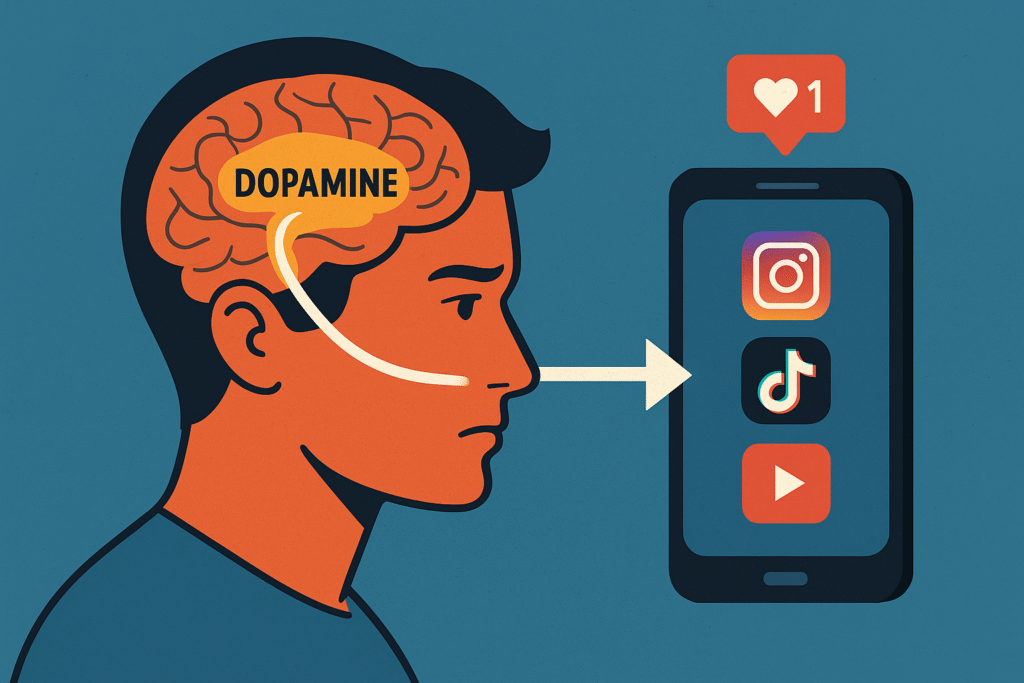
How Social Media Traps Your Dopamine System
When you think of addiction, you may picture alcohol or drugs. But today’s most common addiction is invisible, dopamine addiction.
Apps like Instagram, TikTok, and YouTube are carefully designed to keep you hooked. Every notification, like, or reel gives you a small burst of dopamine. It feels good, but it’s short-lived. Once that moment is over, your brain craves more, so you scroll again.
You are not enjoying content, you are feeding your brain’s need for another dopamine spike. This constant stimulation changes how your brain works. Normal activities like reading, studying, or working start to feel boring because they do not give instant pleasure.
Your brain begins to say, “Why focus for 30 minutes when a 10-second video can make me feel good right now?” And slowly, social media steals your attention, your discipline, and your motivation.
The Cycle of Fake Happiness
Think about it.
You buy something online during a sale, it arrives, and you feel great.
You wear it, take a photo, and post it.
People like and comment, your dopamine spikes again.
But after a few days, the excitement fades. You feel empty.
So you buy something new, and the cycle continues.
That’s dopamine addiction in action.
Brands and social platforms understand this perfectly.
They are not just selling products, they are selling dopamine hits.
As long as you keep craving that next small burst of happiness, they win.
When I Realized I Was Losing Control
I noticed my attention span shrinking. Even while reading or working, I would reach for my phone every few minutes. I wasn’t truly enjoying anything any more.
That’s when I realized, starting my day with Instagram was like throwing away my motivation before the day even began. My brain had got used to instant dopamine, quick, effortless rewards. So anything that required focus or patience felt dull.
And that’s the scary part, you don’t even notice it happening. You just wake up one day wondering why nothing feels exciting any more.
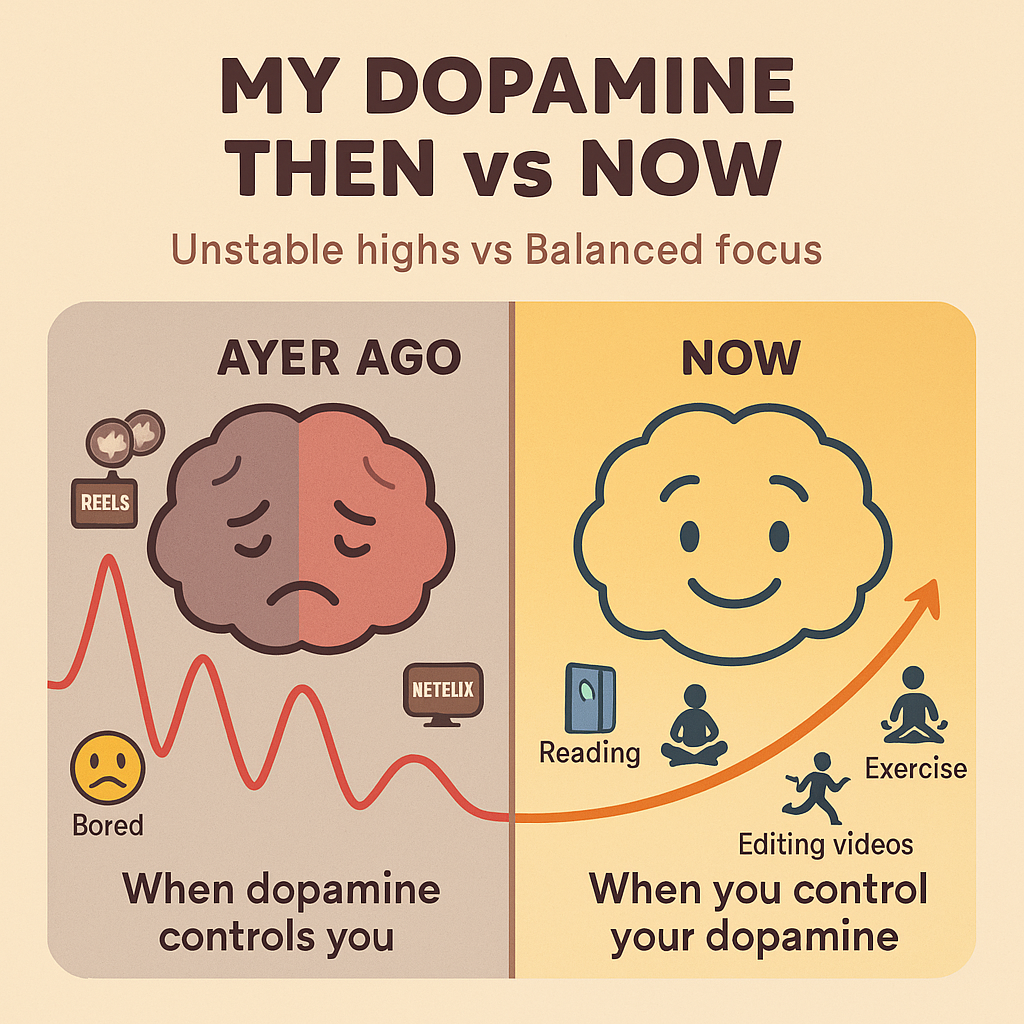
How I Fixed My Dopamine Chart (Without Quitting Social Media)
The good news is, you don’t need to delete social media. You just need to take back control.
I made one simple rule, no phone after waking up. At first, it was hard. My hand automatically reached for my phone every morning. But I replaced that habit with reading a few pages from my Kindle.
Soon, I realized something powerful, reading gives you dopamine too, but it’s healthy dopamine. It’s slow, earned, and satisfying. Unlike social media, it doesn’t leave you empty.
The same happens with exercise, journaling, painting, or playing an instrument. You still feel happy, but this time, you decide when and how. When you rely on social media, the algorithm controls your happiness. When you choose your habits, you control your dopamine.
4 Simple Steps to Balance Your Dopamine
You don’t have to give up everything you love.
Just make small, consistent changes to regain balance.
1. Protect Your Mornings
Avoid your phone for the first 30–60 minutes after waking up.
Read, stretch, walk, or meditate, anything that doesn’t give instant rewards.
This resets your brain for real focus.
2. Move Your Body
Even 10 minutes of movement boosts dopamine naturally.
It keeps you alert and happy for hours.
It’s free and healthier than any reel.
3. Embrace Unpredictability
Don’t reward yourself for every small thing.
Sometimes, just enjoy the effort.
Your brain loves surprises, it keeps your dopamine flexible.
4. Get Sleep and Sunlight
A tired body can’t manage dopamine well.
Get enough sleep and spend some time in sunlight daily.
Natural light helps regulate your dopamine system.
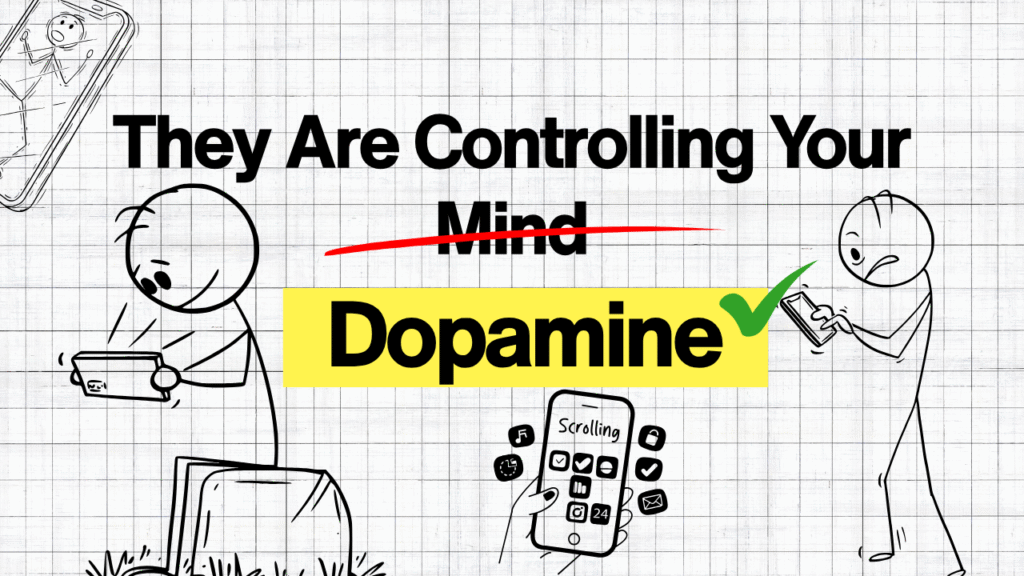
Redesign, Don’t Delete Your Dopamine
Dopamine is not your enemy, it’s your energy.
It’s your brain’s way of saying, “This matters.”
The goal is not to delete dopamine but to redesign it.
Today, I still use social media, I still shop online, and I still watch movies.
But the difference is, these things don’t control me anymore.
I control them.
When your dopamine is balanced, you stop chasing motivation, it comes to you naturally.
You feel calm, focused, and at peace.
Because the best feeling in the world isn’t a dopamine spike,
It’s self-control.
Final Thoughts
If you’ve ever said, “I don’t have motivation,” maybe your brain isn’t lazy, it’s just overstimulated. Start small. Protect your mornings. Move your body. Read instead of scroll. And remember, dopamine isn’t bad. It’s just misunderstood.
Once you learn to control it, you stop surviving for quick pleasure and start living with purpose. Because real happiness doesn’t come from your screen, it comes from your focus.
Q: What is dopamine and why is it important?
A: Dopamine is a brain chemical that controls motivation, reward, and pleasure. It keeps you focused and helps you enjoy life, but overstimulation from social media can cause imbalance.
Q: How do I know if I’m addicted to dopamine?
A: If you constantly check your phone, can’t focus for long, or feel empty without notifications, your brain might be addicted to quick dopamine hits.
Q: Should I quit social media completely?
A: Not necessary. You just need to control how and when you use it. Avoid using it right after waking up and set healthy screen limits.
Q: How long does it take to balance dopamine levels?
A: You can notice changes within two to three weeks if you avoid instant dopamine sources and start practicing focus-based habits like reading or exercise.
Q: What are natural ways to boost dopamine?
A: Exercise, sunlight, meditation, listening to music, journaling, and completing small goals all boost dopamine naturally without creating addiction.